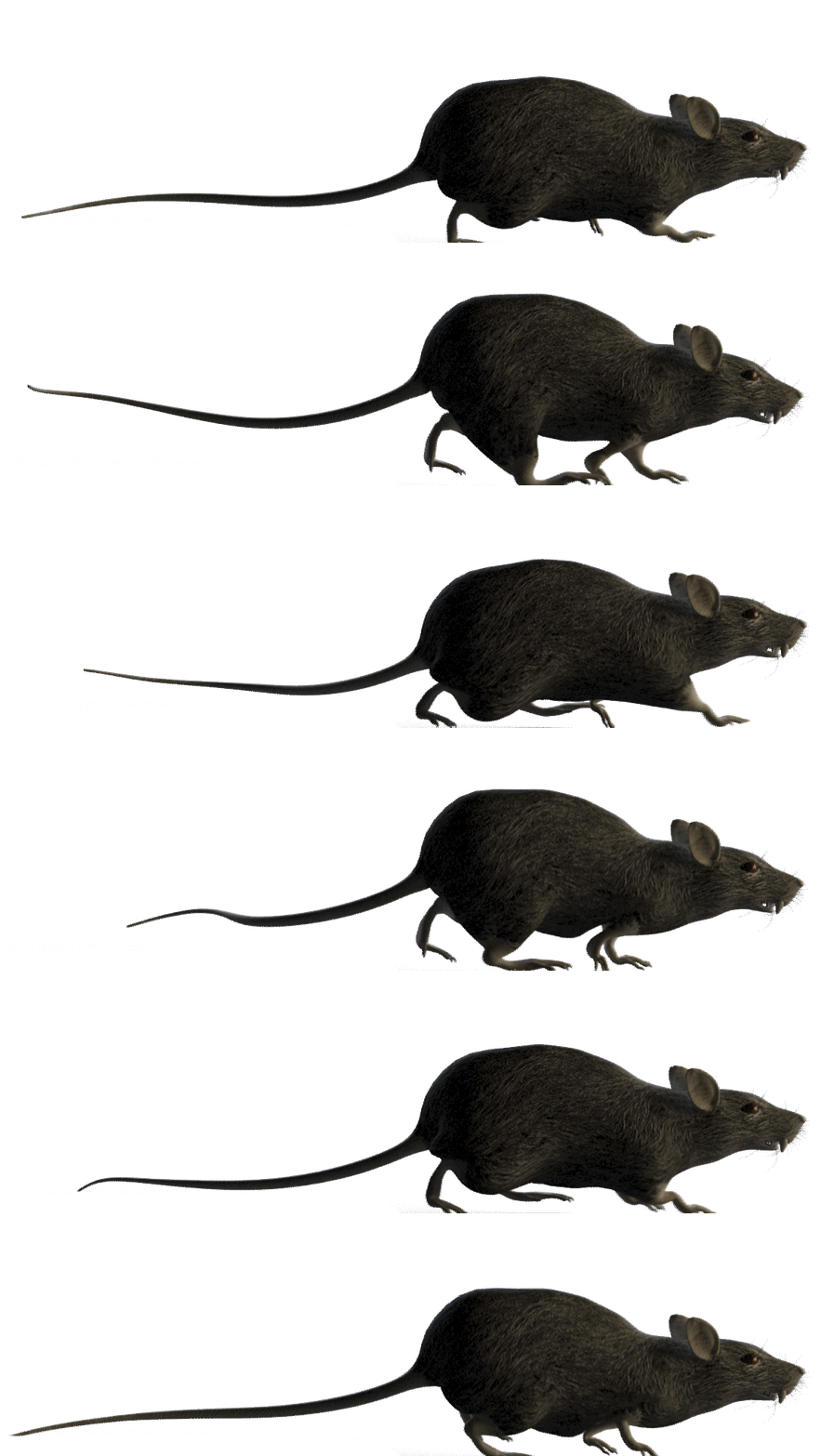
Humane Live Trapping: What to Expect, Step by Step
Michael Gerbino of Cypress Critters & Pests does humane live trapping in Spring, Cypress and nearby towns. Live trapping gets the animal out of your house without poison and without leaving a dead animal in the wall. Here is how a job runs, and what to ask before anyone sets a trap.
How a job runs
- You call or text. Tell Michael what you hear, where, and what time of day. Send photos of droppings or damage to 713-775-8799.
- Inspection. He walks the roofline, attic and ground level to find which animal it is and every place it is getting in. Most houses have more than one opening.
- Traps or one-way doors go in. They are placed on the path the animal already travels. For some animals a one-way door lets it leave and blocks the return, so no trap is needed.
- Checks. Traps are checked so an animal is not left sitting in the Texas heat. Ask how often the traps on your job will be checked.
- Removal under Texas rules. Each animal is handled the way state law allows for that species.
- Sealing. Once the house is clear, every entry point is closed with metal mesh and flashing. This is the exclusion step.
- Follow up. If anything gets back in through the work that was done, Michael comes back.
Questions to ask any trapper
Will you seal the openings?
Trapping without sealing means paying again next season. The answer should be yes, with the materials named.
Who checks the traps, and how often?
You should know who is coming and when, and who to call if you hear something in a trap.
What do you do with the animal?
A good answer names the Texas rules. A promise to drive a raccoon out to the country and let it go is a red flag, because moving a live raccoon is illegal for most people in Texas.
What happens if an animal gets back in?
Ask what happens if an animal gets back in. Michael returns to fix any opening in work he did.
Which animals this applies to
Live trapping and one-way doors are used for the animals that move into attics, walls and crawl spaces around Houston: raccoons, squirrels, opossums, skunks and rats. Bats are never trapped; they are let out with one-way exits and the roost is sealed after, outside the May to mid August pup season (bat service). Snakes are a separate kind of job; see the snake service.
Questions homeowners ask
How long does a live trapping job take?
It depends on the animal and how many there are. A single raccoon can be caught in a night or two; a family of squirrels or a rat population takes longer. Ask for a plan, not a promise of one visit.
Why not just use poison for rats or a repellent for raccoons?
Poisoned rats often die inside walls, and the smell lasts for weeks. Repellents, lights and noise makers may move an animal for a few days but do not close the opening. Trapping plus sealing is the method that ends the problem.
What happens to the animal after it is caught?
It is handled under Texas law, which is different for each animal. Live raccoons, skunks, foxes and coyotes may not be moved by most people because of the state rabies quarantine. The rules page covers each one.
What does a one-way door do?
A one-way door is a hinged flap set over the opening the animal is using. It lets the animal walk out to feed at night and will not let it back in. Once nothing has come or gone for a few nights, the opening is sealed for good.
How do I know whether it is rats, squirrels or raccoons in the attic?
Timing and sound are the first clues. Rats run at night with light scratching and scurrying, squirrels are busiest at dawn and dusk, and raccoons make heavy thumping after dark. Droppings and the size of the chew marks at the entry point settle it on the inspection.
Is live trapping safe for pets and children?
The traps are placed on the animal’s path, usually on the roofline, in the attic or along a fence, and they close only on the animal that steps in. Michael tells you where every trap is so pets stay away from them.
Hearing something in the attic tonight?
Cypress Critters and Pests is owner operated. Michael Gerbino answers the phone and does the work himself.
Call or Text Michael: 713-775-8799Exclusion service on the main site