Texas Wildlife Rules for Homeowners, in Plain English
Before anyone traps or moves an animal from your house, it helps to know what Texas law allows. This page sums up the rules by animal and links to every source.
The rules by animal
Raccoons, skunks, foxes and coyotes
Texas has a statewide rabies quarantine. Live raccoons, foxes, skunks and coyotes may not be transported from, to or within the state, except by exempt groups such as officers on duty and holders of certain state authorizations. Even exempt movers must release the animal within ten miles of where it was caught and in the same county. Breaking the rule is a Class C misdemeanor.
Opossums
Opossums are fur-bearing animals under Texas law but are not part of the rabies quarantine. Texas Parks and Wildlife says a nuisance fur-bearer may be relocated only with authorization from the department and from the owner of the property where it is released, with a monthly report.
Squirrels
Gray, fox and red squirrels are game animals under the Parks and Wildlife Code, not fur-bearers. The nuisance fur-bearer rule does not cover them, so ask how a squirrel job will be handled.
Bats
Bats are protected and may not be hunted, killed, sold or kept. The law allows a bat to be removed from inside or on a building where people live. Texas Parks and Wildlife discourages excluding bats from May 1 to August 15, when the young cannot fly yet.
Rats and mice
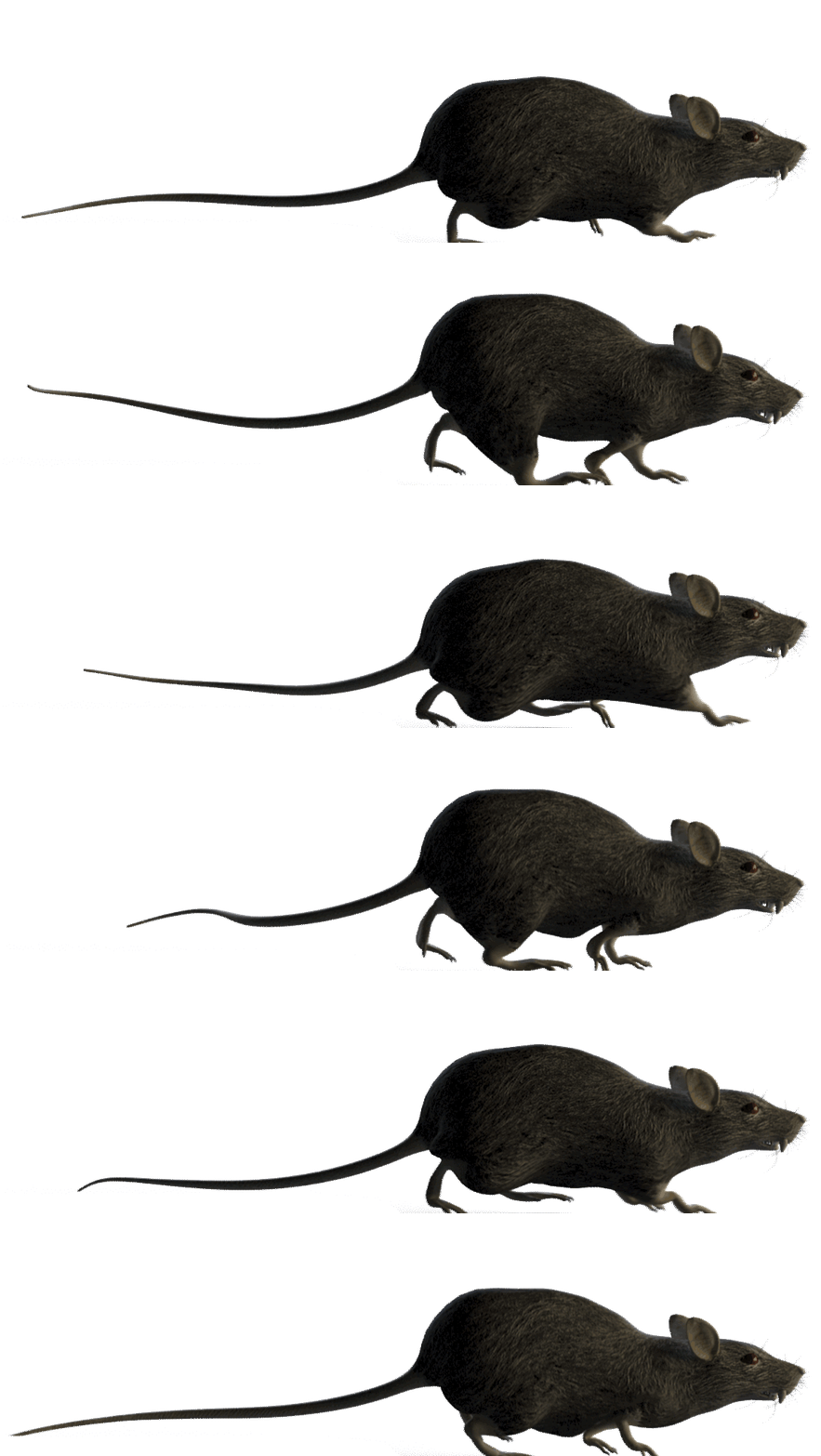
Rats and mice are not fur-bearers or game animals, and they are not under the rabies quarantine. The usual approach is trapping and sealing the entry points.
Any nuisance fur-bearer on your land
Landowners or their agents may take nuisance fur-bearing animals on their own land without a hunting or trapping license, according to Texas Parks and Wildlife, but may not keep the animal or its pelt.
If someone is bitten or scratched
The Department of State Health Services gives three plain rules: do not handle any wildlife, healthy looking or not; if a person or pet is bitten, wash the wound with soap and water right away; and get medical help as soon as possible to find out whether rabies treatment is needed. Skunk spray alone does not spread rabies; it travels in saliva, usually through a bite.
What this means for your job
Because so many of the animals that move into Houston area attics are covered by these rules, the plan for a job has to start with which animal it is. That is one reason Michael identifies the animal before he sets anything. For a longer answer on moving trapped animals, read is it legal to trap and relocate wildlife in Texas on the main site.
This page explains the rules in everyday words and is not legal advice. The agency pages below are the official text; they were read for this page in October 2026.
Sources
- Texas Parks and Wildlife: nuisance fur-bearing animals
- Texas Department of State Health Services: animal transport and the rabies quarantine
- Texas Administrative Code, Title 25, Section 169.34 (statewide quarantine)
- Texas Parks and Wildlife: nongame and other species (bats)
- Texas Parks and Wildlife Code, Section 71.001 (fur-bearing animals)
- Texas Parks and Wildlife Code, Section 63.001 (game animals)
- Texas Parks and Wildlife Code, Section 63.101 (bats)
- Texas Department of State Health Services: rabies
Questions homeowners ask
Do I need a license to trap a nuisance raccoon on my own property?
Texas Parks and Wildlife says landowners or their agents may take nuisance fur-bearing animals on their own land without a hunting or trapping license, but may not keep the animal or its pelt. Moving a live raccoon is a separate question, covered by the rabies quarantine.
Is it a crime to drive a trapped raccoon out to the country?
For most people, yes. The Department of State Health Services says transporting a live raccoon, fox, skunk or coyote from, to or within Texas is illegal unless you are in an exempt group, and a violation is a Class C misdemeanor.
Are opossums under the same rule?
No. Opossums are fur-bearing animals but are not named in the rabies quarantine. Texas Parks and Wildlife says nuisance fur-bearers may be relocated only with authorization from the department and from the owner of the land where they are released.
Not sure which animal you have? Michael can tell you.
Cypress Critters and Pests is owner operated. Michael Gerbino answers the phone and does the work himself.
Call or Text Michael: 713-775-8799Exclusion service on the main site